
Breast Reduction in Cottonwood Heights, UT
Breast reduction surgery, also known as reduction mammaplasty, is a procedure designed to remove excess fat, tissue, and skin from the breasts to create a size that is more proportionate to the body. This surgery is commonly chosen to relieve physical discomfort and improve daily comfort, mobility, and confidence.
Breast reduction may help improve:
- Neck, back, and shoulder discomfort
- Physical limitations during exercise or sports
- Posture and overall body balance
- Self-confidence and comfort in clothing
Breast reduction may be recommended for patients experiencing physical discomfort, functional limitations, or aesthetic concerns. During your consultation, Dr. Vincent will discuss your goals and determine if breast reduction is the right solution for you.
Quick Facts
Curious about what to expect? Our Quick Facts section offers a clear overview of procedure time, downtime, and full recovery so you can plan your treatment with confidence.
1 to 3 hours
General, administered by a certified anesthetist or anesthesiologist
1 to 2 weeks for most desk-based roles
4 to 6 weeks, with scars continuing to mature for a year or more
May be covered where the procedure is medically necessary. See the FAQ below
Our AAAHC-accredited ambulatory surgery center in Cottonwood Heights
Breast Reduction
A good candidate for breast reduction is someone experiencing physical discomfort such as back, neck, or shoulder pain due to overly large breasts.
This procedure is ideal for individuals seeking relief, improved posture, and a more proportionate breast size that better fits their frame.
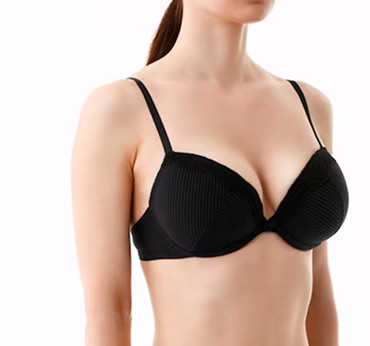
Relief and Proportion Through Breast Reduction Surgery
Breast reduction is one of the few cosmetic procedures where patients most often describe the result in terms of what stopped rather than what changed. The shoulder grooving, the back pain, the limits on what you could comfortably do, the difficulty finding clothes that fit both parts of you at once.
Breast reduction surgery, also called reduction mammaplasty, removes excess breast tissue, fat, and skin to create a size more proportionate to your frame. At Vincent Surgical Arts in Cottonwood Heights, the procedure is performed by Dr. Drake Vincent at our AAAHC-accredited surgical facility, with a plan built around both the physical relief you are seeking and the appearance you want afterward.
What Is Breast Reduction Surgery?
Breast reduction removes glandular tissue, fat, and excess skin, then reshapes and repositions what remains. The nipple and areola are usually repositioned higher on the breast, and the areola is often reduced in size at the same time, since a large areola on a smaller breast looks disproportionate.
It is both a functional and an aesthetic procedure, which is why it sits differently from most cosmetic surgery. Many patients come because of pain rather than appearance, and a meaningful proportion find their procedure is covered by insurance for that reason. Both aspects are planned together, because relieving the symptoms without attention to shape produces a result nobody is happy with.
The procedure is performed under general anesthesia and takes one to three hours, depending on the amount of tissue being removed and the technique used. It is done as day surgery, so you go home the same afternoon.

WORLD-CLASS OUTCOMES
Before & After
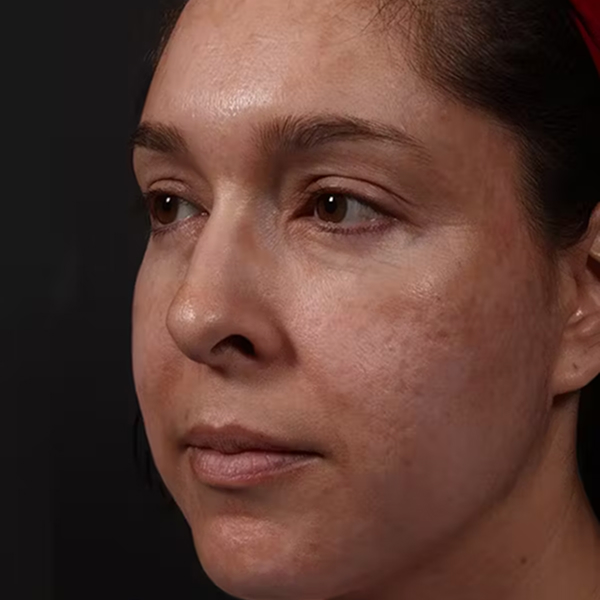
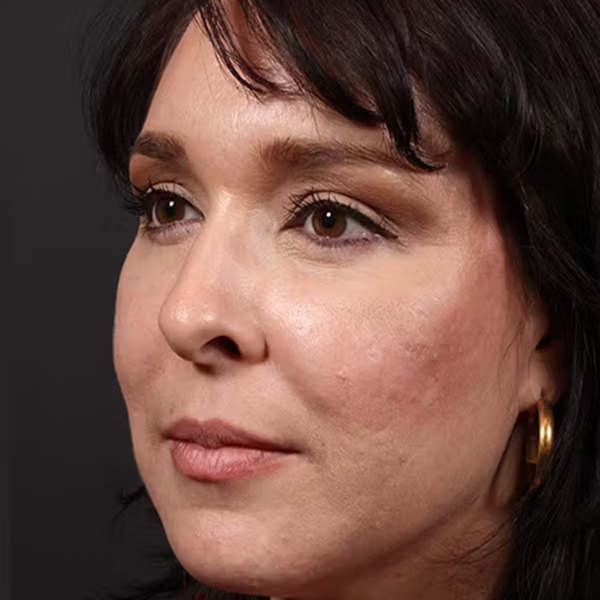
Seeing is believing! Take a look at some of Vincent Surgical Arts’ amazing work to see what he can do for you. These are real images of real patients whose lives have been enhanced by Dr. Vincent and team.
Rhinoplasty
Rhinoplasty
Injections


Areas Addressed During Breast Reduction
Reduction reshapes the breast as a whole rather than simply removing volume. The areas below are all considered in planning.
Breast Volume and Size
The primary change, reducing overall size to a proportion that suits your frame.
Breast Tissue
Glandular tissue and fat are removed together, with the balance varying between patients.
Nipple Position
Usually repositioned higher, since large breasts typically sit lower with downward-pointing nipples.
Areola Size and Position
Often reduced along with the breast, as areolas commonly stretch with breast size over time.
Upper Pole of the Breast
Addressed to restore fullness in the upper portion rather than leaving volume concentrated low.
Lower Pole of the Breast
Where most excess tissue and skin is typically removed.
Breast Skin Envelope
Excess skin is removed, and the remaining skin is redraped over the reshaped tissue.
Inframammary Fold
The crease beneath the breast, which is often repositioned as part of reshaping.
Lateral Chest and Side Breast Tissue
Tissue extending toward the underarm, which is frequently addressed for a smoother contour.
Cleavage Area
Shaped to create proportion and symmetry between the two breasts.
Concerns Breast Reduction Addresses
Most patients arrive with several of these at once. The physical symptoms are usually what finally prompts the consultation, often after years of managing them, rather than appearance alone.
Overly Large or Heavy Breasts
The core indication, where breast size is disproportionate to your frame.
Neck Pain
Chronic discomfort from the forward pull of breast weight.
Upper and Lower Back Pain
Persistent pain that has not responded to physical therapy or other treatment.
Shoulder Pain
Discomfort from bra straps bearing weight they were not designed to carry.
Shoulder Grooving From Bra Straps
Permanent indentations in the shoulders, one of the clearest signs of long-term strain.
Poor Posture
Compensatory posture developed to manage weight, often over many years.
Skin Irritation and Rashes Beneath the Breasts
Intertrigo and recurring irritation in the inframammary fold.
Chafing and Chronic Moisture Under the Breast Fold
Particularly persistent in warmer months and difficult to manage.
Sagging or Drooping Breasts
Ptosis that accompanies size and weight, addressed by the lift component of the procedure.
Downward-Pointing Nipples
Corrected by repositioning the nipple during reduction.
Stretched or Enlarged Areolas
Reduced in proportion to the new breast size.
Breast Asymmetry
Differences in size or position between the two breasts, addressed during planning.
Difficulty Exercising or Participating in Sports
Often the change patients notice first and value most.
Difficulty Fitting Bras and Clothing
The practical frustration of clothes fitting one part of you but not another.
Restricted Physical Activity
Activities avoided over time because of discomfort rather than choice.
Self-Consciousness About Breast Size
Including unwanted attention, which patients raise more often than the page copy usually reflects.
Am I a Good Candidate for Breast Reduction?
Good candidates are experiencing physical symptoms from breast size, are in good general health, and have realistic expectations about scarring, which is the honest trade-off in this procedure. Patients who understand that going in are consistently the most satisfied afterward.
Breast size should be stable, which generally means being at a settled weight and, ideally, having finished having children. Neither is an absolute requirement, but both affect the durability of your result and are worth discussing openly at consultation.
Smoking significantly increases the risk of wound healing problems in this procedure specifically, and stopping well before surgery is required. Certain medical conditions also affect suitability. Your full history is reviewed by Dr. Vincent at consultation before anything is scheduled.
What to Expect From Breast Reduction Surgery
Your consultation covers your symptoms, your goals for size and shape, your medical history, and measurements and photographs used for planning. If you intend to pursue insurance coverage, this is where documentation begins, so mention it at the first appointment rather than later.
The procedure itself takes one to three hours under general anesthesia at our Cottonwood Heights facility, which is one of the few surgery centers in the Salt Lake area accredited by the Accreditation Association for Ambulatory Health Care. You go home the same day with a supportive surgical bra and specific instructions.
Most patients describe the first few days as soreness and tightness rather than sharp pain, and many report that the immediate relief of weight is noticeable straight away. Return to desk-based work is typically one to two weeks. Exercise resumes in stages, with upper body activity last, generally at around six weeks.
Scarring and Recovery
Breast reduction leaves permanent scars, and any page that does not say so plainly is not being useful to you. The trade-off most patients make is accepting visible scars in exchange for relief from symptoms they have lived with for years, and the great majority say it was worth it.
The pattern depends on how much tissue is removed. A lollipop incision runs around the areola and vertically down to the breast crease. An anchor pattern adds a horizontal incision along the crease and is more common with larger reductions. Both are positioned so they sit within a bra or swimsuit.
Scars are at their most noticeable in the first few months, then fade and flatten over a year or more. Your provider will discuss scar care with you, and following it consistently makes a genuine difference to the final appearance.
What Breast Reduction Is Best Paired With
Reduction is often performed on its own, but for some patients it forms part of a broader plan. The options below are the ones most often discussed alongside it.
- Breast Lift: Reduction always includes a lift component, but patients who want repositioning without significant size change may be better suited to a lift alone.
- Liposuction: Sometimes used alongside reduction to address tissue extending toward the underarm and refine the lateral chest contour.
- Breast Implant Removal: For patients whose size concerns relate to previous augmentation rather than natural tissue.
- Male Breast Reduction: A different procedure addressing gynecomastia in men, with its own technique and recovery.
- Breast Augmentation: The opposite procedure, listed here because patients researching breast surgery often want to understand the full range.
Why Choose Vincent Surgical Arts for Breast Reduction
Breast reduction is a procedure where surgical judgment shows in the result. The same operation can relieve your symptoms while producing a shape you are genuinely pleased with, or relieve the symptoms and nothing more.
- An Experienced Cosmetic Surgeon: Dr. Drake Vincent, MD, FAACS, FABCS, ABAARM, has performed more than 10,000 cosmetic surgical procedures across facial and body work.
- An AAAHC-Accredited Surgical Facility: Surgery is performed in our own accredited ambulatory surgery center, with a dedicated operating room, separate air circulation, HEPA filtration, a backup generator, and a monitored recovery room.
- Certified Anesthesia Providers: Anesthesia is administered by certified anesthetists or anesthesiologists, with equipment checked and certified regularly.
- Honest Discussion of Scarring: You will see what the incision patterns look like and understand the trade-off before you decide, rather than afterward.
- Support With Insurance Documentation: Where your procedure may qualify as medically necessary, our team can help you understand what your insurer typically requires.
- Financing Available: PatientFi, Key Bank, and Zions Bank options are available for the portion not covered by insurance. See our financing page.
Areas We Serve
Our surgical facility is in Cottonwood Heights, just off Fort Union Boulevard and roughly twenty minutes from downtown Salt Lake City. We see breast reduction patients from across the Salt Lake Valley and beyond.
- Cottonwood Heights
- South Jordan
- Sandy
- Draper
- Murray
- Holladay
- West Jordan
- Midvale
- Riverton
- Herriman
- Salt Lake City
Breast Reduction FAQs
Is Breast Reduction Covered by Insurance?
It may be, and this is the most important question to ask early. Breast reduction is one of the few procedures in cosmetic surgery that insurers frequently cover, because it is often performed to relieve documented physical symptoms rather than for appearance alone.
Insurers typically look for a documented history of symptoms such as back, neck, and shoulder pain, evidence that conservative treatments including physical therapy have been tried, and a minimum amount of tissue to be removed calculated against your height and weight. Requirements vary considerably between plans. Raise it at your first consultation so documentation can begin from the start, since assembling it retrospectively is considerably harder.
How Much Does Breast Reduction Cost in Cottonwood Heights, UT?
Cost depends on the extent of the reduction and whether any portion is covered by insurance, so quotes vary more for this procedure than for most. A specific figure is provided at your consultation once your plan is defined and your insurance situation is understood.
For any portion not covered, financing is available through PatientFi, Key Bank, and Zions Bank. Details are on our financing page.
Where Will My Breast Reduction Scars Be Located?
That depends on how much tissue is removed. A lollipop pattern places incisions around the areola and vertically down to the breast crease. An anchor pattern adds a horizontal incision along the crease itself and is more common with larger reductions.
Both patterns are planned so the scars sit within a bra or swimsuit. They are permanent, most visible in the first few months, and fade and flatten over a year or more. Dr. Vincent will show you which pattern applies to your situation at consultation so you know what to expect rather than finding out afterward.
Will Breast Reduction Affect My Ability to Breastfeed?
It may. Breast reduction removes glandular tissue and repositions the nipple, both of which can affect milk production and delivery. Some women breastfeed successfully after reduction and others cannot, and it is not possible to guarantee the outcome in advance.
If you may want to breastfeed in the future, tell Dr. Vincent at your first consultation. Certain techniques preserve more of the connection between glandular tissue and the nipple, and knowing your intentions changes how the procedure is planned. This is a conversation to have before surgery rather than after.
Will I Lose Nipple Sensation After Breast Reduction?
Changes in nipple sensation are common after breast reduction. Most patients experience some numbness or altered sensation initially, and for the majority this improves over several months as nerves recover. For some, changes are permanent, and complete loss of sensation is possible though less common.
The likelihood relates partly to how much tissue is removed and which technique is used. This is a standard part of the consent discussion, and Dr. Vincent will talk it through with you in the context of your specific plan.
How Long Is the Recovery Time?
Most patients return to desk-based work within one to two weeks. The first few days involve soreness and tightness rather than sharp pain, and many patients notice the relief of weight almost immediately. Exercise resumes in stages, with upper body and chest activity last, generally around six weeks. Full results settle at four to six weeks, though scars continue maturing for a year or more.
Am I a Good Candidate for This Surgery?
You may be if you are experiencing physical symptoms from breast size, are in good general health, and understand that the procedure leaves permanent scars. Ideally, your weight is stable, and you have finished having children, since both affect how durable your result will be, though neither is an absolute requirement. Smoking must be stopped well in advance, as it significantly raises the risk of healing problems in this procedure.
Are There Any Risks?
Breast reduction is a well-established surgical procedure, and like any surgery,y it carries risks. These include bleeding, infection, poor wound healing, changes in nipple and breast sensation, asymmetry, and the possibility of needing a revision. Effects on breastfeeding and nipple sensation are covered separately above, as both are common enough to warrant their own answer.
Smoking, certain medical conditions, and some medications all increase risk, which is why your full history is reviewed before surgery is scheduled. Dr. Vincent will discuss the risks relevant to your specific situation during consultation.
How Much Smaller Will I Be?
This is discussed and agreed at consultation rather than promised in advance, because the amount of tissue that can be safely removed depends on your anatomy, your frame and the technique used. The aim is proportion rather than a specific cup size, and cup sizing itself varies so much between manufacturers that it is an unreliable way to plan. If you are pursuing insurance coverage, note that insurers often specify a minimum removal amount, which also factors into planning.
Will My Breasts Sag Again After Reduction?
Some settling occurs naturally in the months after surgery as tissue relaxes into its final position, which is expected. Beyond that, the main factors affecting long-term shape are weight change, pregnancy and time. Maintaining a stable weight and wearing good support are what best preserve the result, and patients who have completed their families generally see the most durable outcomes.
Find Out Whether Breast Reduction Is Right for You
If you have been managing back, neck, or shoulder pain for years and wondering whether surgery is worth considering, a consultation will give you a straight answer. It will also tell you whether your situation is likely to qualify for insurance coverage, which is worth knowing before anything else.
Call (801) 942-1111 or schedule your consultation at Vincent Surgical Arts, 6710 Blackstone Rd #201, Cottonwood Heights, UT 84121. We are open Monday through Friday with extended hours on Thursday until 7:00 pm.